
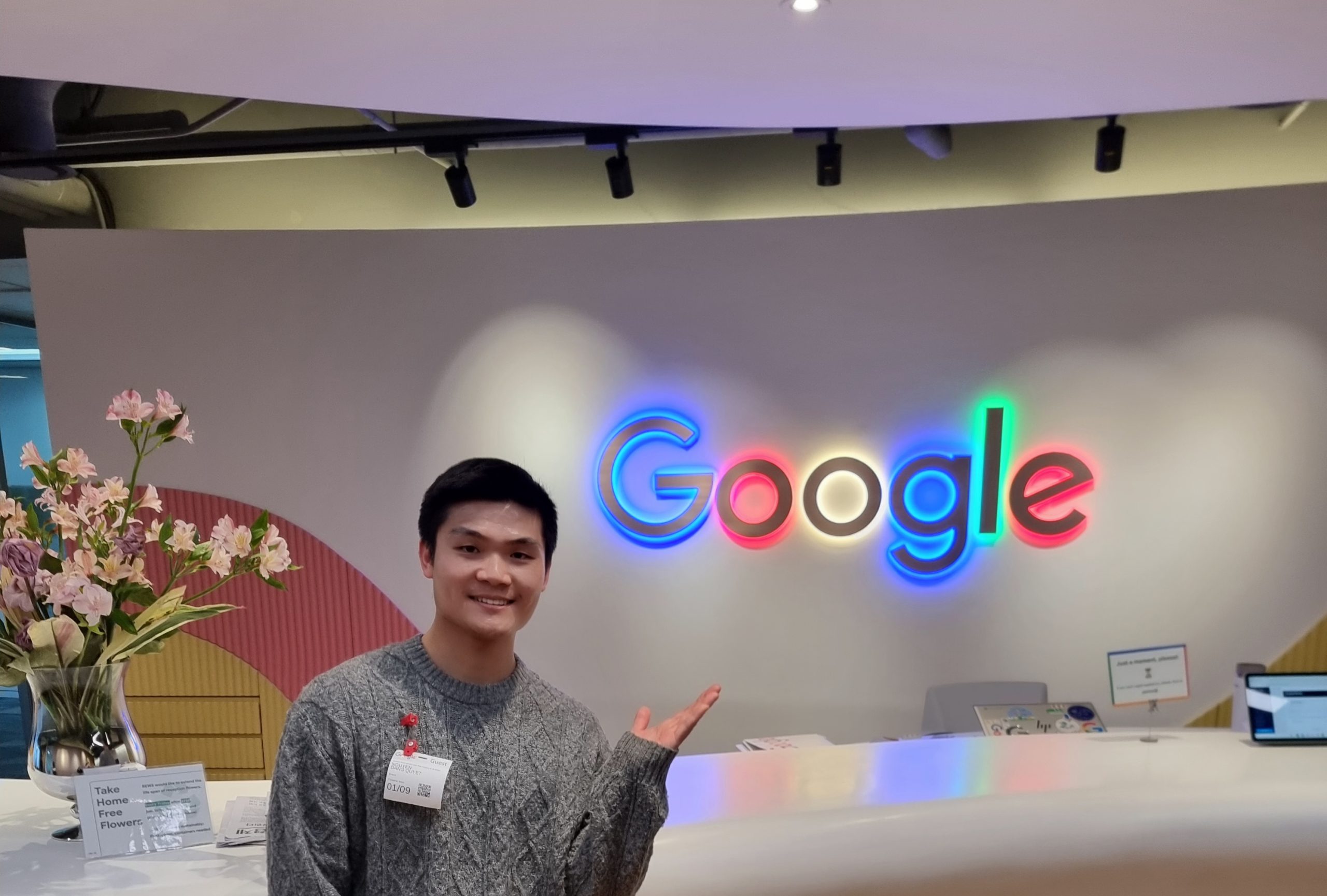
On January 9, I had the opportunity to attend the Google Career Mentoring 2026 program at Google Korea after being selected through the Google Gemini Academy.
Visiting the Google office and speaking directly with Googlers gave me a much clearer understanding of how the company evaluates talent, collaborates internally, and approaches problem-solving in a fast-moving environment.
This article summarizes the key insights I learned during the mentoring session, especially for students, junior marketers, and career switchers who are interested in global tech companies.
The Philosophy Behind a Google-Level Resume
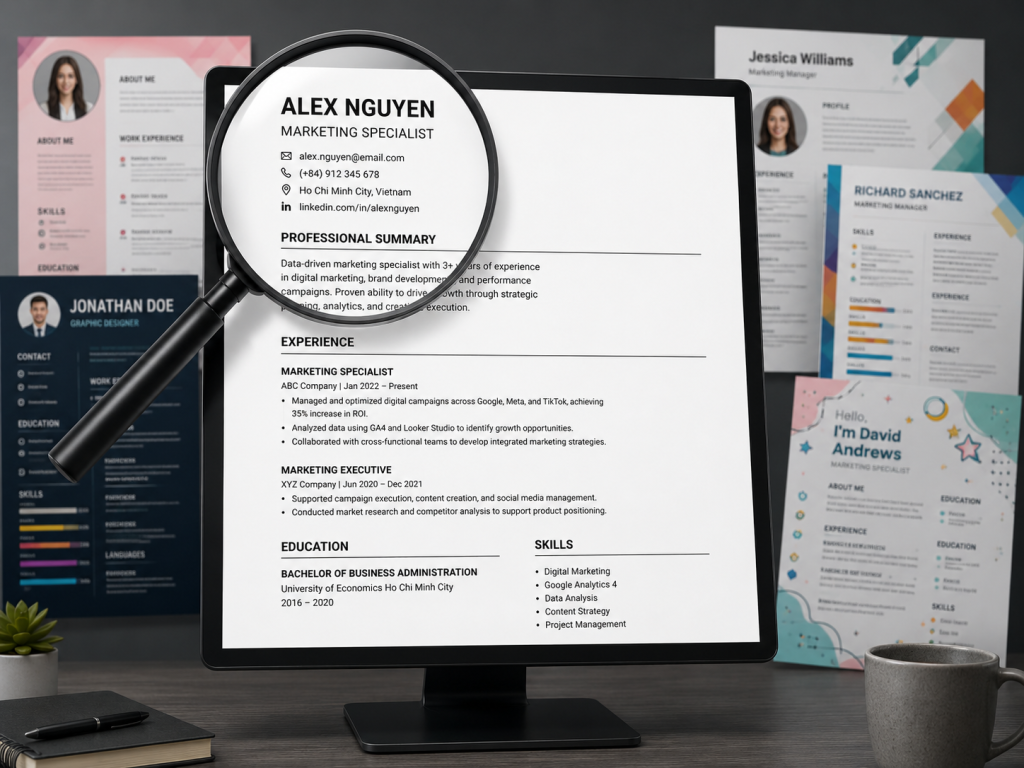
One of the strongest points mentioned during the session was that many applicants still send the same resume to every company.
At Google, resume customization is extremely important. Recruiters expect candidates to carefully read the Job Description and adjust their resume to match the role. In many ways, the Job Description is the question, and the resume should become the answer.
Another important factor is prioritization. The most relevant experiences should appear first.
For example, if a role emphasizes analytical skills and your strongest experience comes from research projects or academic work, those experiences should appear higher than unrelated part-time jobs or activities.
This is important because recruiters usually scan resumes very quickly. The first information they see often becomes their strongest impression of the candidate.
The mentoring session also emphasized that simple resumes usually perform better than visually complex ones. Clean formatting, readable structure, and concise writing make it easier for recruiters to focus on achievements and skills rather than design elements.
For students and early-career applicants, keeping the resume to one page is generally recommended.
The Four Main Areas Google Evaluates
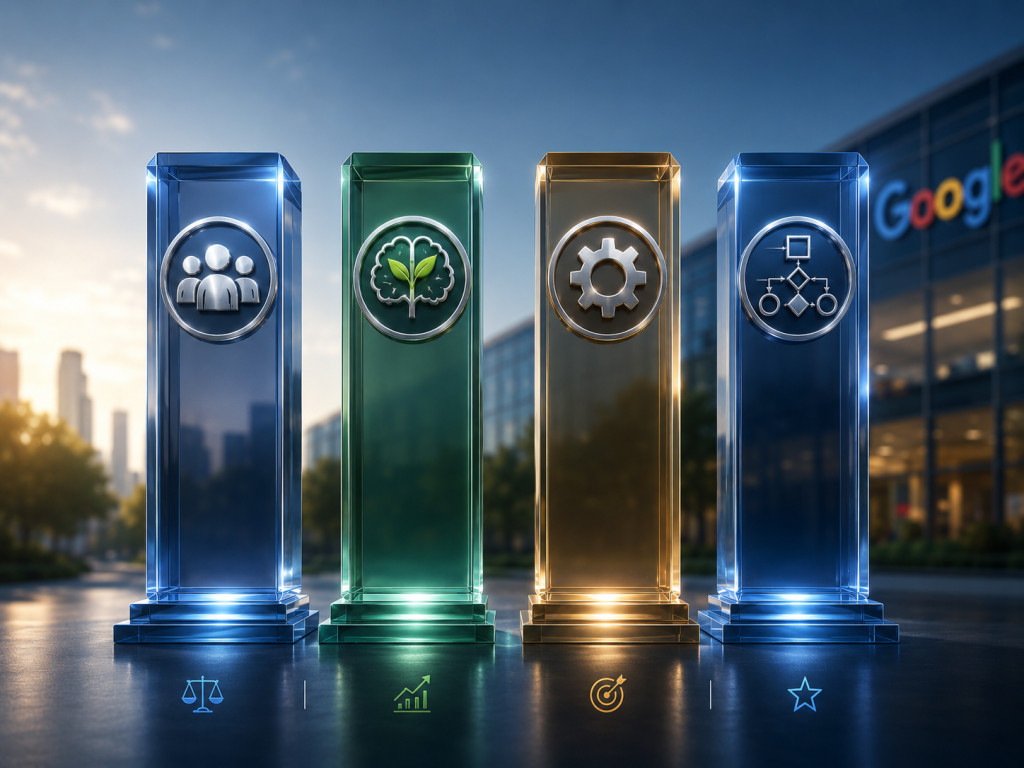
According to the mentoring session, Google commonly evaluates candidates through four major areas.
Leadership
Leadership does not necessarily mean holding a formal leadership position.
Instead, Google values people who naturally step forward to solve problems, support teammates, and take ownership when necessary. Even small actions inside group projects or organizations can demonstrate this quality.
Googliness
Googliness refers to cultural fit and mindset.
This includes qualities such as:
- Collaboration
- Curiosity
- Adaptability
- Openness to feedback
- Growth mindset
The mentors emphasized that Google prefers people who continue learning and improving rather than staying comfortable with existing abilities.
Role-Related Knowledge (RRK)
For junior positions, Google is often more interested in learning potential than perfect expertise.
Transferable skills are very important here. Communication skills, project coordination, research experience, and logical thinking developed in other fields can still become strong advantages when applying for new roles.
General Cognitive Ability (GCA)
This area focuses on structured thinking and problem-solving ability.
Interviewers are usually interested in understanding how candidates approach a problem step by step rather than simply hearing a final answer.
Being able to explain your reasoning clearly is often just as important as solving the problem itself.
What Modern Marketing Roles Actually Require

The mentoring session also provided insight into what marketers inside large tech companies actually do on a daily basis.
Stakeholder Alignment
One topic that appeared repeatedly was stakeholder management.
Marketers in global companies often work with many departments simultaneously, including:
- Sales
- Product
- Legal
- Partnerships
- External agencies
A large part of the job involves aligning different teams toward the same objective while managing different priorities and communication styles.
Timeline Management
Another important skill is handling multiple projects at once.
Marketers frequently manage several campaigns simultaneously, so organization and deadline management become essential. Reliability is built through consistency and the ability to keep projects moving without delays.
Communication Style
One Korean expression mentioned during the mentoring session was:
“아 다르고 어 다르다”
The phrase highlights how the way something is communicated can significantly affect collaboration and outcomes.
In professional environments, respectful and thoughtful communication helps maintain trust and improves teamwork across departments.
AI and Data-Driven Marketing
The discussion also touched on how AI is changing marketing.
Tools such as:
- Google Analytics 4
- Gemini
…can accelerate research and analysis, but the mentors emphasized that tools alone are not enough.
The real value comes from interpreting data correctly, asking better questions, and turning insights into meaningful business decisions.
AI can support execution, but strategic thinking still depends heavily on people.
Advice for Students and Career Switchers

One encouraging point from the mentoring session was that candidates without impressive company experience should not underestimate themselves.
Recruiters often care more about problem-solving ability and learning mindset than exaggerated performance numbers.
When preparing a portfolio, it is more effective to explain:
- What problem you identified
- Why you approached it that way
- What actions you took
- What you learned from the result
This structure demonstrates practical thinking and self-awareness.
The mentors also emphasized that experiences from unrelated fields can still become strengths if positioned correctly. Skills such as communication, cross-cultural understanding, adaptability, and research ability are highly transferable across industries.
Final Thoughts

One idea from the mentoring session stayed with me the most:
In a career, failure happens many times, but sometimes a single opportunity can completely change your direction.
Because of that, it is important to continue applying, learning, and taking initiative even when the outcome is uncertain.
For students and early-career professionals interested in tech and global marketing, long-term growth is usually built through consistency, curiosity, and the willingness to keep improving step by step.
Thank you for reading my article all the way to the end — I truly hope you found it valuable and insightful.
If you’d like to explore more helpful posts, feel free to My Blog