
1. The Busan Epiphany: A Narrative Introduction
The intersection of marketing and generative AI represents the most critical strategic frontier of 2025. We are witnessing a historic collision between the rising inflation of traditional production costs and the aggressive deflationary pressure of AI-driven creative tools. For the senior growth leader, the challenge is no longer merely adopting new tech—it is a fundamental recalculation of the “Total Cost of Ownership” (TCO) for every brand asset we deploy.
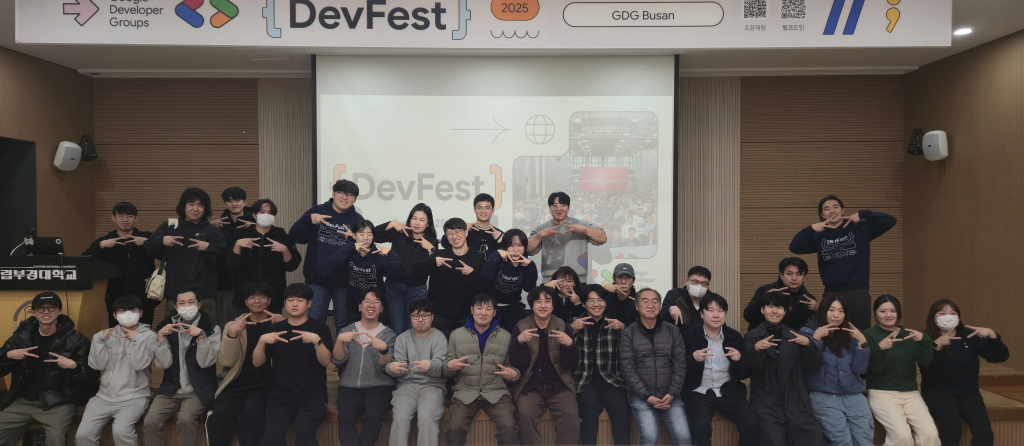
My perspective on this shift was galvanized during a strategic scouting mission to DevFest 2025 in Busan, South Korea. Amidst deep dives into the Google ecosystem, I encountered VEO 3. What I initially perceived as a technical novelty for the engineering crowd quickly revealed itself as a profound creative catalyst. It was a moment of clarity: VEO 3 signifies a departure from the logistical friction of production—crews, locations, and capital-intensive shoots—toward a model of pure ideation.
The central thesis of this evolution is transformative: How does AI-generated video fundamentally shift the marketer’s mental model from production logistics to pure ideation? To answer this, we must deconstruct the engine that is turning “impossible” creative concepts into “on-the-fly” market realities.
2. Deconstructing VEO 3: A New Paradigm for Video Production
In a hyper-competitive digital landscape, mastering generative video is no longer an elective—it is a core competency for survival. VEO 3, the latest breakthrough from Google DeepMind, represents a structural shift in how we conceive and execute video strategy. It is an advanced model capable of transforming complex text prompts or static imagery into high-fidelity video, featuring a critical differentiator: integrated, synchronized audio—including lip-synced dialogue, sound effects (SFX), and ambient scores.
To appreciate the strategic advantage, we must compare the legacy model with the AI-augmented workflow:
| Dimension | Traditional Video Production | VEO 3-Powered Production |
| Cost Structure | High CAPEX (Crews, actors, gear, post) | Shift to OPEX (SaaS subscription/credits) |
| Time-to-Market | Weeks to Months (Linear workflow) | Minutes to Hours (Iterative workflow) |
| Skill Requirements | Technical Specialization (Editing, Sound) | Strategic Prompting & Content Curation |
| Creative Flexibility | Rigid (Reshoots are cost-prohibitive) | Fluid (Rapid A/B testing of variants) |
| Legal & Copyright | Fragmented contracts/rights issues | Enterprise-grade protections (Google Ecosystem) |
The “So What?” for the growth strategist is the democratization of high-end aesthetics. By dismantling the “How to Produce” barrier, VEO 3 allows brands to focus exclusively on the “What to Say.” This moves the needle from manual labor to strategic influence, a transition best observed through the tool’s specific engine features.
3. The VEO 3 Engine: Features That Fuel Strategic Value
A tool’s value lies not in its code, but in its ability to empower rapid execution and reduce creative fatigue. VEO 3 provides three core pillars that allow a marketer to act as director, strategist, and producer simultaneously.
- Prompt-Based Cinematic Control: VEO 3 interprets sophisticated cinematic language. Marketers can command specific camera angles (close-ups, wide shots), movements (pans, dolly-ins), and lighting environments (neon, golden hour) to ensure outputs adhere strictly to brand guidelines.
- Velocity & Character Consistency: One of the most significant pain points in AI video—character consistency—is addressed by VEO 3’s ability to use up to three reference images. This allows for the precise replication of brand mascots or recurring characters across different scenes, a necessity for coherent storytelling.
- The Enterprise Ecosystem (Gemini, Flow, Vertex AI): VEO 3 is integrated into a professional-grade stack. Gemini facilitates intuitive prompting; Flow serves as the assembly environment for 8-second clips; and Vertex AI provides the API backbone for enterprise-scale integration. This allows for Dynamic Creative Optimization (DCO), where video variations are generated at scale based on real-time performance data.
Collectively, these features reduce the friction between a creative spark and its market debut, maximizing the impact of every marketing dollar.
4. The ROI of Innovation: Competitive Advantages in Modern Marketing
In the era of performance marketing, “Time-to-Market” and “Content Velocity” are the primary levers of growth. The ability to react to a market trend within hours rather than weeks provides an insurmountable edge.
The economic impact is starkly illustrated by the “No Biscuits” (Hector the Hare) case study. By utilizing VEO 3 for their animated mascot, the brand realized a 90% reduction in production costs compared to traditional agency rates. For a senior strategist, this isn’t just a cost-saving exercise—it is a fundamental shift from CAPEX to a flexible OPEX model. This efficiency allows Small and Medium Enterprises (SMEs) to produce visual content that rivals global conglomerates, effectively leveling the playing field.
This cost reduction fuels ROI by enabling “Speed-to-Lead” and the ability to flood the funnel with high-quality variants. However, to wield this power effectively, we must address the boundaries of the technology.
5. The Reality Check: Navigating Limitations and the Ethicist’s Perspective
Identifying the boundaries of a tool is essential for professional-grade implementation. VEO 3 is a high-performance instrument, but it requires a “Human-in-the-Loop” to navigate technical and ethical complexities.
- The 8-Second Barrier: Individual clips are currently capped at 8 seconds. This requires the marketer to possess storyboarding skills and the ability to manually assemble narratives via Google Flow.
- The Credit System Economy: Strategic budget optimization is vital. Under the Google AI Ultra plan (249.99/month), a “Veo 3 Quality” clip costs 100 credits (~1.00), while “Veo 3 Fast” costs only 20 credits. Senior strategists should use “Fast” mode for rapid prototyping and storyboarding, reserving “Quality” credits for the final, performance-ready assets.
- The Ethical Imperative: As an AI Ethicist, I must emphasize that with great production power comes great responsibility. Marketers must navigate the “Uncanny Valley”—where AI characters feel “off” enough to alienate consumers—and maintain radical transparency regarding AI-generated content. Brand safety and the protection of consumer trust are paramount; AI should enhance authenticity, not fabricate it.
Ultimately, VEO 3 is the instrument, but the marketer remains the musician. The emotional resonance of a campaign is a human deliverable.
6. Practical Blueprints: Integrating VEO 3 Across the Funnel
A sophisticated multi-stage strategy requires varied content tailored to the customer journey. VEO 3 enables this across four key areas:
- Social Media: Rapidly deploy viral formats like “POV Confessions” or “The Awkward Truth,” maintaining high engagement with minimal lead time.
- Digital Advertising: Brands like Pit Viper and Coign demonstrate the power of VEO 3 for large-scale A/B testing. By varying environmental variables or character reactions via reference images, they can identify high-converting visuals with surgical precision.
- Educational Content: Replace static decks or expensive 2D animations with high-quality explainer videos that visualize complex product demos.
- Internal Comms: Transform high-friction internal updates into engaging video content, improving employee alignment and retention of key messages.
7. Strategic Rivalries: VEO 3 vs. OpenAI’s Sora
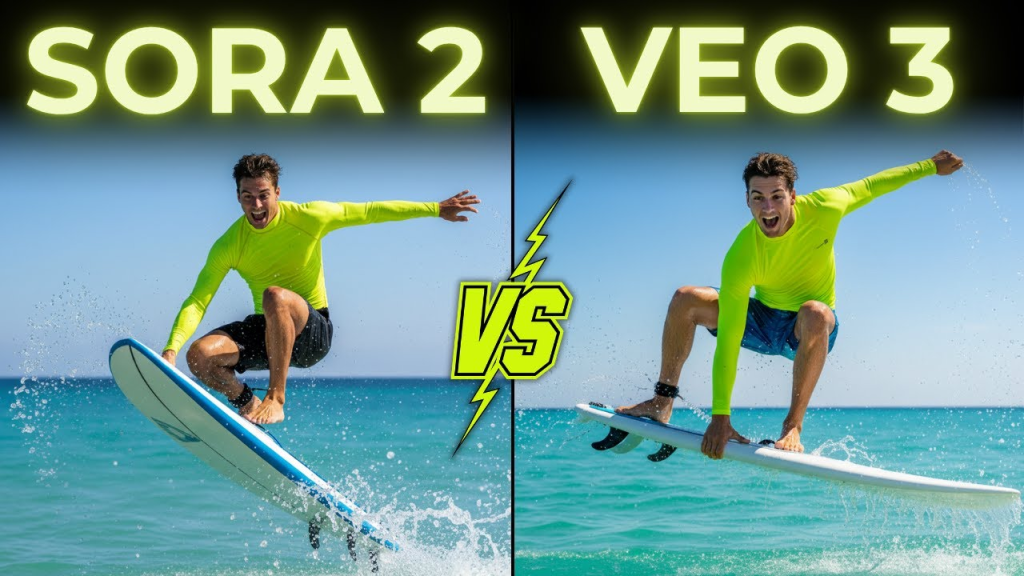
The current “AI Arms Race” is a net positive for marketers, driving down costs and accelerating feature releases. However, the choice between platforms depends on the strategic objective.
- Google VEO 3 (The MarTech Specialist): Built for the integrated marketer. Its strengths lie in synchronized audio, character consistency (via 3 reference images), and speed of execution within a known enterprise ecosystem.
- OpenAI Sora (The Physics Simulator): Focuses on complex physical modeling and longer continuous clips (up to 25s for Pro users).
The Recommendation: VEO 3 is the superior choice for the workflow-integrated marketer focused on brand consistency and speed; Sora is the tool for the high-concept visionary focused on longer-form narrative physics.
8. The Evolution of the Marketer: New Skillsets for the AI Era
The shift from production to ideation demands a fundamental upgrade in our professional toolkit. I have identified three essential new skills for the modern era:
- Prompt Engineering: Mastering the artistic and cinematic lexicon required to provide the AI with precise creative direction.
- AI Content Curation: Transitioning into the role of the Editorial Gatekeeper. In an era of infinite output, the ability to select the 1% of content that aligns with brand ethics and quality is the new value add.
- Data-Driven Creative Optimization: Using real-time performance metrics to guide subsequent rounds of AI generation, creating a self-optimizing creative loop.
9. Conclusion: Collaborator, Not Competitor
VEO 3 is a breakthrough that democratizes high-fidelity production by lowering the barriers of cost and time. It represents a total shift in cost structures, moving content creation from a bottleneck to a catalyst. However, its success remains tethered to human oversight, strategic intent, and the ability to weave disparate clips into a cohesive, brand-aligned story.
VEO 3 should be viewed as a high-powered collaborator that liberates the marketing team from the “logistics of the mundane.” It allows us to stop managing crews and start managing ideas.
10. Personal Reflection: The Future of Creative Partnership
Reflecting on my strategic mission to Busan, it is clear that the boundaries between technology and creativity have permanently dissolved. The question is no longer whether AI will replace the marketer, but how we will evolve through our partnership with it.
We must move past the fear of replacement and embrace the potential for creative amplification. Being “AI-ready” in the coming decade means more than just technical literacy; it means understanding how to use these tools to elevate human storytelling and strategic value. The future of marketing is a partnership between human intuition and machine efficiency—and the first movers in this space are already rewriting the rules of the game.
Thank you for reading my article all the way to the end — I truly hope you found it valuable and insightful.
If you’d like to explore more helpful posts, feel free to My Blog